













Accellor moves AI pilots to stable, secure, user-adopted production-grade outcomes

Retail
Global Beauty & Personal Care Retailer
Accelerating Software Engineering with Agentic AI
Read customer storyCase Study

Life Sciences
Global Pharmaceutical & Biotechnology Leader
Transforming Portfolio Intelligence with Agentic AI
Read customer storyCase Study

Telecom
F100 Telecommunications Company
Identifying Customer Moments of Truth with Agentic AI
Read customer storyCase Study

Case Study

Case Study

Case Study

Life Sciences
Pioneering Medical Device Manufacturer
Digital Transformation of Sales & Inventory Operations
Read customer storyCase Study

Life Sciences
Premier Global Medical Technology Company
Automating Purchase Order and Trunk Stock Management
Read customer storyCase Study

Life Sciences
Leading Global Innovator in Medical Devices
Mobile-Enabled Field Inventory Movement
Read customer storyCase Study

Financial Services
Large American Credit Union
Smarter Dispute Resolution for Retail Banking
Read customer storyCase Study

F100 Global High Tech Manufacturer
Streamlining Reverse Logistics for a Hi-Tech Giant
Read customer storyCase Study

Case Study

Case Study

Life Sciences
Global Pharmaceutical & Biotechnology Leader
AI for Drug Discovery & Finance Ops
Read customer storyCase Study

Financial Services
Global Corporate & Investment Banking Innovator
Risk Factor Extraction with Automation
Read customer storyCase Study

Life Sciences
Pioneering Medical Device Innovator
Smarter Field Audits for MedTech Firm
Read customer storyCase Study

Others
Advanced Polymer & Engineered Components Innovator
Driving Innovation with CRM Strategy
Read customer storyCase Study

Hitech
F100 Global Semiconductor & Computing Innovator
Detecting Warranty Fraud with AI Power
Read customer storyCase Study

Case Study

Case Study

Life Sciences
Global Medical Device Manufacturer
Transforming Healthcare Ops with Dynamics
Read customer storyCase Study

Case Study

Hitech
Leading AI Infrastructure Software Innovator
CRM-Powered Sales & Service Efficiency
Read customer storyCase Study

Healthcare
Multinational Integrated Private Healthcare Service Provider
Homecare & eLab Services, Digitized
Read customer storyCase Study

Others
Leading European Commercial Real Estate Innovator
Reimagining Digital Tenant Engagement
Read customer storyCase Study

Case Study

Case Study

Financial Services
Leading Independent Commercial Finance Provider
Predictive AI for Smarter Finance Ops
Read customer storyCase Study

Life Sciences
Pioneering Medical Device Innovator
AI-Powered Case Sheets for Fast Surgeries
Read customer storyCase Study

Others
Global Multinational Aviation Services Leader
Seamless Digital Customer Engagement
Read customer storyCase Study

Case Study

Others
World-Leading Integrated Resort & Entertainment Innovator
24/7 Digital Concierge for Vegas Hotel
Read customer storyCase Study

Case Study

Retail
Pioneering American Luxury Home Furnisher
Retail Compliance for Customer Privacy
Read customer storyCase Study

Retail
Experiential Fashion & Accessories Retail Leader
Onboarding Retail Partners at Scale
Read customer storyCase Study

Case Study

Life Sciences
Global Neurovascular Device Leader
Field Sales Automation with Salesforce
Read customer storyCase Study

Financial Services
Large American Member-Owned Financial Cooperative
Resolving Disputes on Salesforce Fast
Read customer storyCase Study

Healthcare
Largest Indian Private Hospital Network
Apollo’s Integrated Patient Experience
Read customer storyCase Study

Case Study
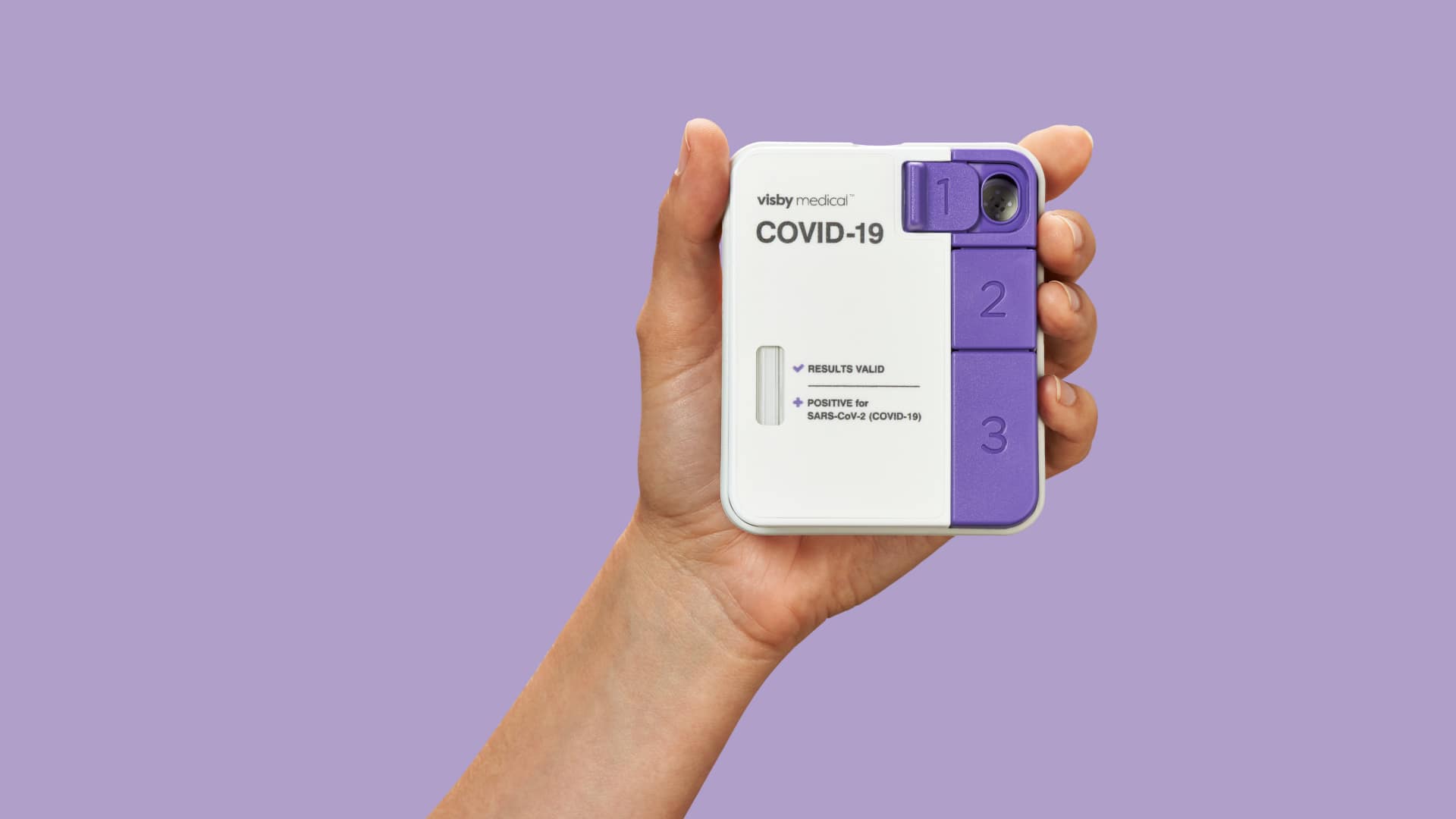
Life Sciences
Pioneering Diagnostics Device Manufacturer
Launching PCR Device in Just 8 Weeks
Read customer storyCase Study

Financial Services
American Financial Planning & Investment Advisory
Salesforce & Orion for Wealth Advisors
Read customer storyCase Study

Life Sciences
Healthcare Telepresence Solutions Leader
MedTech Innovation with Digital Tools
Read customer storyCase Study

Financial Services
Global Middle-Market Investment Banking Leader
Merging Salesforce Instances Globally
Read customer storyCase Study

Others
European Leading Build-to-Rent Marketing Platform
Find Ideal Rentals with Love to Rent
Read customer storyCase Study

Financial Services
Leading Global Travel Insurance Provider
Customer 360° for Travel Insurance
Read customer storyCase Study

Hitech
F100 Global Semiconductor Manufacturer
Lightning Migration for a Fortune 100 Giant
Read customer storyCase Study

Hitech
F100 Global Semiconductor Manufacturing Leader
Streamlining Warranty Support with AI
Read customer storyCase Study

Financial Services
Leading Regulatory Compliance Partner
Financial Compliance Made Effortless
Read customer storyCase Study

Hitech
F100 Global Microprocessor & Chipmaking Leader
Transforming Contact Centers with AI
Read customer storyCase Study

Life Sciences
Pioneering Medical Device Innovator
Ecommerce for VR Therapy by Penumbra
Read customer storyCase Study

Hitech
F100 Global Microprocessor & Chipmaker
Lightning Migration for Tech Enterprise
Read customer storyCase Study

Others
Large Multinational IT Service Provider
Streamlining Claims & Boosting Productivity
Read customer storyCase Study

Case Study

Financial Services
Leading American Financial Advisors
Smarter Doc Management for Wealth Teams
Read customer storyCase Study

Financial Services
Leading Independent Financial Advisory Firm
Next-Gen Wealth Built on Salesforce FSC
Read customer storyCase Study

Financial Services
F500 Financial Services Powerhouse
Flash Tool to Accelerate SF Migration
Read customer storyCase Study

Case Study

Hitech
F100 Global Semiconductor & AI Computing Leader
Unified Knowledge Base for Support
Read customer storyCase Study

Others
Premier Wedding Planning Solutions Provider
AI-Powered Wedding Planning Platform
Read customer storyCase Study

Case Study

Healthcare
Leading American Ambulance Service Provider
Mobile Operations for First Responders
Read customer storyCase Study

Case Study

Life Sciences
F200 Multinational Biopharmaceutical Leader
Mobile Tools for Better Teamwork
Read customer storyCase Study

Case Study

Retail
North America's Oldest Commercial Enterprise
Create and Share the Perfect Wishlist
Read customer storyCase Study

Telecom
World's Largest International Virtual Network Operator
Empowering Customers with Self-Service Mobile App
Read customer storyCase Study

Hitech
Pioneering Hyperlocal Delivery Service Provider
Pickalo: Local Shopping, Delivered Fast
Read customer storyCase Study
Purpose-built AI solutions creating measurable impact across the enterprise.

We believe that embedding Diversity, Equity, and Inclusion (DEI) into core operations and prioritizing physical, social, and emotional wellness fosters a thriving, inclusive workplace that drives both employee well-being and long-term organizational success.
Learn moreIn today's dynamic work environment, the concepts of Diversity, Equity, and Inclusion (DEI) and employee wellness are more interconnected than ever. At Accellor, we believe that a holistic approach to wellness and DEI is crucial for employees to thrive and for organizations to achieve sustainable success. We believe that DEI philosophy should be embedded in the fabric of organizational operations rather than treated as a separate initiative.
To create an environment where employees can thrive, it is essential to adopt a holistic view of wellness that encompasses physical, social, and emotional aspects. This comprehensive approach not only enhances individual well-being but also supports the broader goals of DEI. When employees feel physically healthy, socially connected, and emotionally supported, they are more likely to bring their authentic selves to work, contributing to a diverse and inclusive culture.
At Accellor, we combine these three aspects of wellness to create an environment that promotes physical, social and emotional health of employees.
At Accellor, DEI is not a standalone initiative but an integral part of the way we operate. DEI is embedded in our core values and observed as daily practices of the organization, helping us be a highly inclusive and equitable workplace.
At Accellor, we believe that a holistic approach to wellness and DEI is essential for creating a thriving workforce and achieving organizational success. By prioritizing physical, social, and emotional wellness, and embedding DEI into the core operations of the organization, we are creating a more inclusive and equitable workplace. As we continue on this journey, we remain committed to supporting our employees' well-being and championing DEI as a fundamental aspect of our organizational culture. Together, we are creating an environment where everyone has the opportunity to thrive and contribute to our collective success.

The challenges faced by healthcare workers and physicians are immense, and they operate in an environment that demands unwavering dedication. Let’s delve into the pressures they encounter and explore how Generative AI (Gen AI), particularly in patient case sheet summarization, can revolutionize their workflows
Learn moreAt HIMSS 2024, the air buzzed with anticipation as tech giants, clinicians, and innovators gathered to discuss the future of healthcare. Amidst the sea of ideas, the phrase that echoed louder than the rest: "AI in Action: Real-World Applications Taking Center Stage.” This buzzword wasn’t a mere trend; it represents a seismic shift in how we approach patient care.
During various discussions at healthcare expos and shows, the integration of machine learning and AI by medical device manufacturers, especially in imaging systems, was a recurring theme. One significant topic of debate was the utilization of GenAI to enhance healthcare. From alleviating the workload of doctors and care teams to providing practical self-care solutions for patients, the potential benefits were explored. These discussions also highlighted the substantial time spent by healthcare workers on tasks beyond direct patient care. Documenting patients visit details in electronic health records (EHRs) and retrieving relevant information for upcoming appointments were among the challenges discussed.
The challenges faced by healthcare workers and physicians are immense, and they operate in an environment that demands unwavering dedication. Let’s delve into the pressures they encounter and explore how Generative AI (Gen AI), particularly in patient case sheet summarization, can revolutionize their workflows.
GEN AI powered patient case sheet summarization emerges as a game-changer. Imagine a tool that distils complex medical records into concise, actionable summaries—empowering care providers, enhancing decision-making, and ultimately improving patient outcomes.
Let’s explore various scenarios where patient case sheet summarization can be incredibly valuable:
Accellor’s Patient Case Sheet Summarization Solution transcends mere technology—it’s a lifeline for care providers. By streamlining information, enhancing precision, and seamlessly integrating into clinical workflows, we empower clinicians to focus on what truly matters: healing patients.

In the ever-evolving landscape of healthcare, Generative Artificial Intelligence (Gen AI) emerges as a transformative force. Combining machine learning, deep learning, and natural language processing, Gen AI redefines patient care. As Gen AI when intertwined with MedTech and pharma presents opportunities that are too good to ignore.
Learn moreIn the ever-evolving landscape of healthcare, Generative Artificial Intelligence (Gen AI) has emerged as a transformative force. This cutting-edge technology combines machine learning, deep learning, and natural language processing to revolutionize patient care and medical diagnostics. As we delve into the intricate interplay between Gen AI and the MedTech and Pharma sectors, we uncover a world where personalized treatments, faster drug development, and enhanced patient outcomes are no longer distant dreams but tangible realities.
MedTech (Medical Technology) and pharmaceutical companies are at the forefront of adopting Gen AI. The convergence of massive healthcare datasets, computational power, and advanced algorithms has paved the way for ground-breaking innovations.
Let’s explore how Gen AI is reshaping the industry, one algorithm at a time.
Gen AI analyzes an individual’s medical history, lifestyle choices, and real-time health data. It then crafts personalized treatment plans that consider unique variations in patient responses. From optimizing drug dosages to tailoring surgical procedures, personalized medicine is no longer a distant vision. Accurate predictions and adaptive interventions enhance patient outcomes while minimizing adverse effects.
In the dynamic realm of healthcare, Generative AI (gen AI) is revolutionizing marketing outreach by streamlining the creation of promotional materials while infusing a personalized touch that resonates with the end customers. Gen AI empowers healthcare & medtech firms to craft tailored marketing campaigns by analyzing patient data. Let’s delve into how this transformative technology is reshaping the landscape
Unleashing Unstructured Data: Healthcare operations abound with unstructured data—clinical notes, diagnostic images, medical charts, and recordings.
Personalized Marketing Content: Gen AI isn’t limited to clinical workflows. It can generate personalized marketing content—emails, social media posts, and targeted advertising campaigns—tailored to individual patient or doctor needs.
Patient Experience Revolution: Virtual assistants, personalized health recommendations, remote monitoring, and interactive health education tools—all powered by generative AI—are enhancing the patient experience
Language Models (LLM) play a crucial role in extracting unstructured clinical notes or text from Electronic Health Records (EHRs). These models serve as versatile clinical predictive engines, streamlining the development and deployment process for healthcare applications.
LLM-powered Gen AI:
Automated Clinical Documentation: Gen AI leverages LLMs & NLPs to automate medical documentation. By converting patient interactions into clinician notes within seconds, it reduces administrative burdens on healthcare workers.
Risk Assessment and Fraud Detection: For healthcare payers, Gen AI accelerates operational efficiencies. It mines clinical and environmental data using LLMs, providing accurate risk assessment scoring. Additionally, it detects pre-payment fraud, waste, and abuse (FWA) while ensuring provider integrity through data accuracy scoring and auto-credentialing.
Dynamic Conversations with Patients: With Gen AI Services, virtual health assistants (VHAs) engage in dynamic conversations, helping patients understand medical jargon, explaining treatment plans, and addressing concerns.
Unleashing Medical Data: Generative AI algorithms feed on vast datasets, transforming every piece of medical data—whether it’s simple symptoms or complex imaging studies—into fundamental building blocks for virtual health assistants and chatbots.
Efficiency and Accessibility: Gen AI overcomes previous hurdles by requiring less data, adapting to unfamiliar situations, and interfacing better with clinical staff. Virtual Health Assistants (VHAs) and chatbots powered by Gen AI bring years of clinical data to clinicians’ fingertips in seconds, streamlining administrative tasks and modernizing health systems infrastructure.
Medical imaging plays a pivotal role in diagnosis and treatment planning. Gen AI contributes by:
Image Denoising and Super-Resolution: Improving the quality of MRI, CT scans, and X-rays, aiding accurate interpretations.
Tumor Segmentation: Automatically identifying cancerous regions.
Generative Artificial Intelligence or Gen AI is undoubtedly the most popular technology buzzword that fills corporate boardrooms of today. This is true irrespective of any sector. According to McKinsey, Gen AI is responsible for over 40% of business leaders moving towards increasing their investments in Artificial Intelligence. For medical device manufacturers, the opportunities presented with Gen AI adoption are too good to ignore.
However, such a forward-thinking technology should be adopted only after having the right roadmap to optimize the existing technology infrastructure and create the right awareness for staff. This is where partnering with a trusted technology organization like Accellor can make a huge difference.

“Technology has been transforming companies for decades, but where in the past it may have been a change to a department or a division, it is now important enough to change their entire business model.” – Brad Strock
Digital transformation initiatives are spreading across industry domains and have proved to be disruptive to existing business operations and processes. In the changing business environment, business leaders have to change the way they work and adopt a range of digital tools and techniques to ensure business success. As the COVID-19 pandemic is disrupting existing healthcare systems, most CIOs are often under pressure to respond with the right business strategies and overcome multiple challenges.
The BCG study on Digital Maturity among the U.S and European companies found that the healthcare industry lagged behind the most in digital maturity with an average score of just 44 out of 100.
How do Healthcare CIOs respond to the challenges posed by rapid technology evolution brought about by digital health services? To understand this market shift in detail, let’s look at what digital health is first.
Simply put, digital health is the way of offering the best healthcare services to patients using the latest digital technologies like Health Information Technology (HIT), telehealth, wearable tech, mobile health (mHealth), telemedicine, personalized medicine, and more. As their names suggest, digital health technologies connect doctors or medical professionals directly to their patients through online channels. Digital health tools offer a range of facilities to patients like improved healthcare and accurate disease diagnosis using underlying technologies like Artificial Intelligence (AI), machine learning, and voice recognition.
On its part, digital health is driving the change in the healthcare sector across multiple use cases including:
What makes digital health technologies more appealing is that they can be delivered across various platforms, applications, and medical devices. Despite all the positives of digital health technologies in the healthcare sector, CIOs also need to address a few challenges when it comes to technology adoption.
Next, let us look at the many technology-related challenges facing Healthcare CIOs.
Over the last few decades, the role of Healthcare CIOs has transitioned from operations to a more strategic role. For instance, the advent of electronic health records (EHR) requires CIOs to collaborate between operational IT teams and policy decision-making teams. As stated correctly by Andy Rowsell-Jones of Gartner, “CIOs are on the road from digital experimentation to digital scaling.”
As CIOs try to evolve according to changing technology innovations in the healthcare space, here are some of the major challenges that they face.
As pointed out correctly by Kisha Hortman Hawthorne, CIO at Children’s Hospital of Philadelphia (CHOP), "Healthcare organizations across the country continue to see exponential increases in malicious attempts such as malware and ransomware, data breaches, insider threats, password spraying, phishing and vishing scams, and cloud threats."
Healthcare providers need to connect and engage with patients using innovative products. As they develop more patient-focused products or services, the risk associated with data breaches continues to rise. On their part, CIOs are now responsible for protecting their patient's medical records and other confidential information from external threats.
It comes as no surprise that the COVID-19 pandemic has accelerated the trend towards technology-enabled remote healthcare or what we know as Telehealth. Besides that, rapid digitization in the healthcare domain means that medical service providers can no longer operate using manual paper-based processes.
With more patients demanding immediate medical attention and assistance, the biggest challenge for CIOs is to establish an optimized telehealth system. CIOs need to address these requirements with easy, intuitive, and clutter-free health systems. Effective digitization is now less about “what technology can do” and more about “how easy it is to use technology tools.”
Chrissy Daniels of Press Ganey agrees that "technology has been the key tool for organizations investing into patient re-engagement."
With increasing competition, a positive patient experience is critical for healthcare organizations to attract and retain their patients. To elevate the patient experience, CIOs need to identify the right resources that are linked to a better patient outcome. Besides telehealth, patients are showing an affinity towards convenience with technology-driven solutions like automated appointment scheduling, remote patient monitoring, and the use of kiosks for collecting patient data.
Industry regulations like the Healthcare Insurance Portability and Accountability Act (HIPAA) were implemented to create an electronic data exchange that healthcare stakeholders could use for electronic transactions. Ensuring compliance with such regulations creates challenges for CIOs looking to migrate data from traditional “manual” systems to electronic data records.
Besides attracting heavy penalties, non-compliance with industry regulations is also causing major data breaches and security incidents. Healthcare CIOs need to upgrade their technology to provide ample security and accessibility to the right users.
So, how can healthcare CIOs respond to these challenges? Let us discuss this in the following section.
As CIOs look to transform their journey into digital health, they need to be more disciplined, practical and act quickly in implementing an efficient digital health system. Here's how they can respond to digital health challenges:
The modern digital healthcare environment has presented multiple challenges for CIOs. On their part, CIOs must meet the rapid evolution of digital health technologies effectively with an organized, pragmatic approach. Primary among these, CIOs have to identify the needs of their patients and then address them with the right system backed by technology. Further, CIOs need to facilitate various types of technological services and support using Telehealth, wearable devices, and mobile health platforms. Over the years Accellor has provided healthcare companies with holistic, end-to-end digital solutions.

After attending Dreamforce ’22, I could not but help thinking about one thing:
I have been actively involved in the CRM space for ~25 years. We were talking 360-degree view of the customer then and we are still talking about it now as if it is something unattainable and elusive. Salesforce Genie, an impressive new offering reiterates the relevance of this concept.
Without discrediting enterprises who have achieved a real-time 360-degree view of the customer, and achieved seamless employee and partner enablement systems, I have to say that most/many enterprises today struggle with attaining and maintaining this state of nirvana for their stakeholders.
This situation is surprising, given the advancements over the last 2 decades.
Software vendors have brought a great deal of architectural, functional, and operational innovation to their products.
New players have emerged and are providing easy to adopt solutions for previously horrendously difficult functions. Imagine deploying new functionality into a production environment with zero downtime? While this is happening today, it was a dream 20 years ago. Enterprise App stores have provided a whole new opportunity to creative developers who provide innovative and compelling solutions to problems previously thought to be difficult to solve.
Companies like Salesforce have architected something quite groundbreaking – A data model and associated applications that cater to millions of users across thousands of enterprises globally. The product architecture supports multi-tenancy, data model for various industry verticals, 3 global releases every year, and all in the cloud with a platform which can scale like Lego blocks. Achieving Customer 360 has never been easier for enterprises.

Despite all the advances, there seems to be a significant gap between the functionality available/possible and what or how it is deployed.
I have my views on the reasons for such a significant gap:
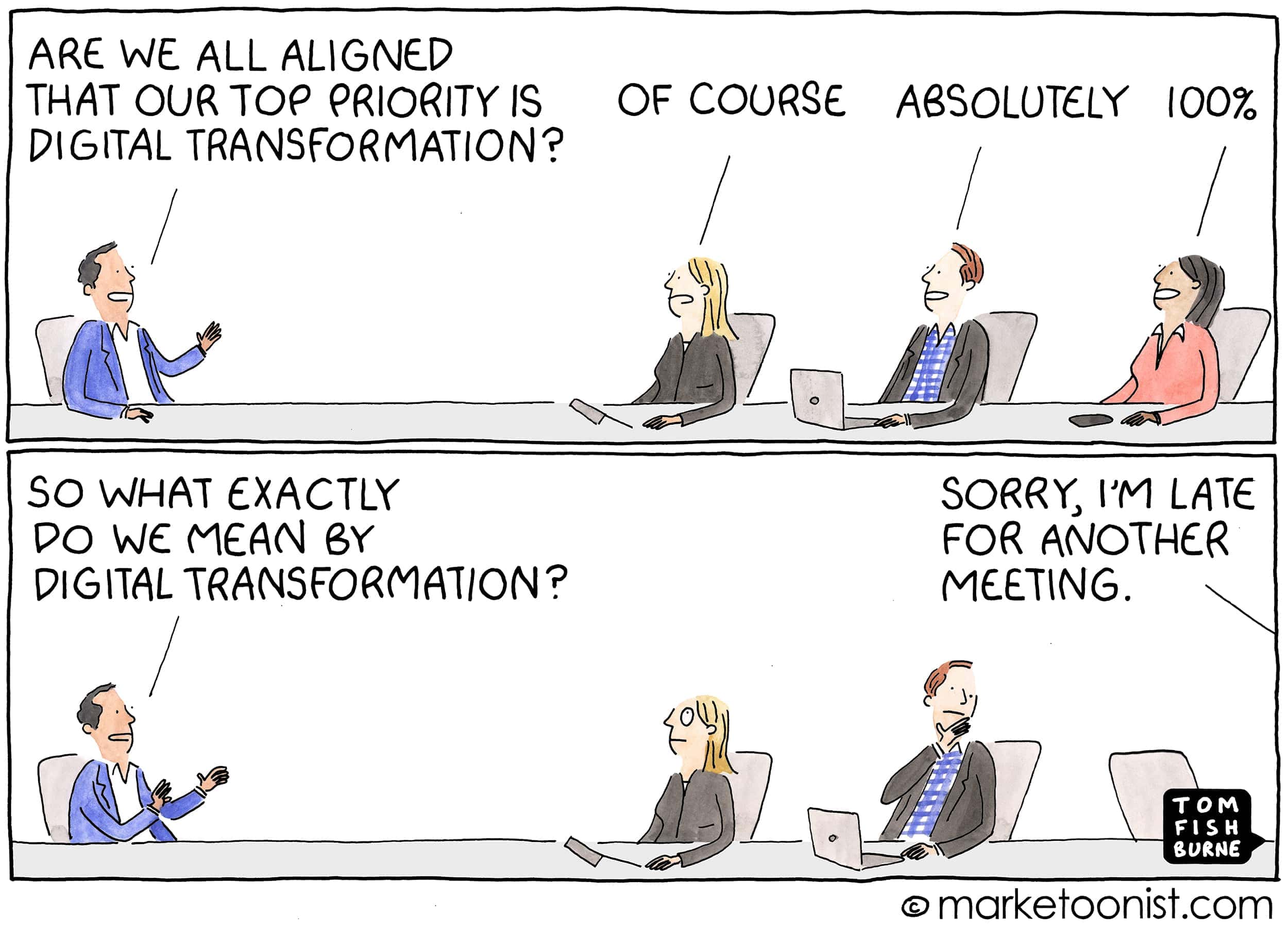
All this boils down to one major issue – The lack of the 360-degree view of the customer.
Without that:
The reasons are not the software, but the organizational inability to rally the stakeholders for a unified enterprise architecture. Most often, it is the ‘time to market’ considerations that alters the thinking to create silos of information. It’s all about standing up an application on the side to support a business unit or a point-to-point integration to make it to the release date. We see this all the time.
So, what should an enterprise focus on to solve this:
Integration architecture: This is the first principle of digital transformation, and it must be taken on as a strategic priority. It should also be understood that transformation is a journey and not a point-in-time state. It is important to keep up with the changes in user behavior and recognizing that there may changes required to processes and technology – embrace those changes!
Data: from across the channels and organization can be used effectively to make tweaks to positively impact business metrics. It is therefore important to think of data holistically across the enterprise – customer, product, interactions, orders, billing, service tickets, etc. Any new application design, rework, re-architecture should take a ‘data-first’ approach to streamline stewardship, correlation, and real-time availability to applications across the enterprise.
Organization alignment: Stakeholders must be rallied towards a unified enterprise architecture. This requires strong leadership to drive a common goal even though competing priorities, delivery pressures, and business metrics may tend to drive a siloed approach.
Today, enterprises are in a world where various applications own elements of the data. Few organizations have been successful in integrating these disparate data locations and create a well-organized view of master data across the board. Such organizations are successful in defining an integrated ‘single source of truth’ of all data within various systems. More and more organizations, product vendors, and integration tool developers aim to help in achieving this. Things have become a lot easier than a decade ago, but challenges remain. Duplicate data, missing data elements, misused fields, incorrect formats, and partial entries are all simple problems to run into but become nagging and difficult to solve.
A change is coming, and I envision there to be a shift from Application driven Data to a Data driven Application. Data and data intelligence will run organizations of the future and drive behavior of the applications. I cannot predict a timeline for such a change, but it is going to be crucial for enterprises to drive towards having a semantic layer over their data which can provide applications access to key business entities in real time. It is important to think of data holistically across the enterprise – unified and curated to meet various application needs.
The announcement of Salesforce Genie and Slack Canvas at Dreamforce ’22 makes it clear that customer experiences can be more personalized in real time. Enterprises need to have their data and customer 360 in place to take advantage of the innovations happening in this space.

Growth is the shared goal for organizations and employees to achieve. For organizations, growth brings profits, customers, and brand visibility besides increasing efficiency of operations and the stability to withstand market fluctuations. For an employee, the organizational growth translates into personal career growth with increased responsibility and greater diversity of work profile.
At Accellor, we recognize that people have tremendous potential, and a little support from us can help them come out of their comfort zones and challenge themselves. We provide our employees avenues of growth through continuous learning, coaching, and mentoring, and opportunities to upskill and reskill themselves. We believe that growth through this method is sustainable and creates success for the employee and the organization.
How does this approach to career growth create value for the employees at Accellor?
Ongoing learning is at the heart of our philosophy. It has been cultured through a systematic process, starting with our Corporate Commitment to change. We recognize the needs of our employees as learners and create visibility of time and financial support to help them achieve their learning needs.
We make conscious efforts to align the organizational goals and values with employees' expectations. We combine traditional learning processes with informal activities to help them apply their skills and knowledge. Commitment, along with the identification of competency and skill gaps through employee and manager feedback, gives the learning model a thrust. Additionally, necessary soft skills, which are drivers of outstanding performance and business successes like teamwork, creative thinking, and complex reasoning, are factored into the learning models for employees. With fast-moving technology, the necessary provision to sharpen technical skills and upgrade and certify knowledge is provided to employees as per their inputs and requirements. It broadens individual skill sets and creates an exceptional talent pool within the organization.
At Accellor we believe that mentoring is critical to driving employee engagement and growth. Coaching and mentoring happen through all levels of the organization to enhance collaboration and support each other’s growth. We recognize that this also increases the organization’s agility and flexibility for any complex problem-solving.
The mentors at Accellor are smart managers with hardcore technical and domain knowledge. Being mentored by them gives the teams invaluable opportunities to mirror their skills and learn from the vast tacit knowledge they possess. Besides technology, every member of the team gets to learn client management, problem-solving, and team working methods, which are necessary for anyone who aspires to have a prosperous career in the industry.
Extensive interactions with mentors drive the mentees to apply the acquired learning and skills to execute daily project tasks, making the outcomes of learning visible to them. This sustainable model that we follow at Accellor has helped in the creation of a growth mindset and transformational learning across the organization.
Today, technology is changing and evolving faster than ever. Possibilities that were unimagined just a few years ago have become a norm today. As a futuristic and agile organization, we help our customers benefit from such cutting-edge technologies and innovations. For our people who implement these technologies, it is an enriching experience. Developing products using emerging technologies gives a boost to their careers in terms of growth and skills.
Whenever required, we organize training for specific technologies for the teams. Through such training programs, teams upgrade their technical skills and then use those in project implementation. This builds their expertise on the technology faster and better.
Especially in today’s hybrid work environment, the importance of employee engagement cannot be emphasized more. The leadership teams at Accellor make conscious efforts to foster it through innovative work and knowledge sharing. Our culture of curiosity and innovation also helps in driving employee engagement. Employees are bold, confident, and curious pushing the boundaries of creativity knowing that they have a supportive environment at Accellor. The feeling of fulfillment and engagement at work drives employee loyalty and alignment to organizational growth.
Employees at Accellor experience intellectual, emotional growth as well as physical well-being. They return to the workplace every day with enthusiasm, which comes from knowing that they are respected and valued. Every employee knows that they will have career growth and aspire to do their best with consistent learning and improvement. The workplace at Accellor is a much sought-after one in today’s impersonal and fast-moving industry.
Be a part of this learning and growing environment to fulfill your ambitions in career growth!

Health emergencies like the COVID-19 pandemic, associated economic and cultural disruptions, wage and labor trend dynamics, are all creating the need for better wealth management strategies for the average individual.
Studies estimate that the global wealth management market will be worth over USD 3.43 trillion by the year 2030. However, even though the industry as a whole is seeing a rosy growth picture, traditional incumbents in the sector such as banks, financial institutions, and wealth managers are witnessing a decline in the flow of interest from customers. The rise of self-service fintech platforms powered by AI is creating a paradigm shift in the way people perceive and manage their wealth. It is almost as if customers have more trust in an AI algorithm to manage their wealth than decisions taken by reputed wealth managers.
So, does this mean that wealth managers will have to seek alternate careers? The answer is “No”. The expertise of wealth managers cannot be replaced any time soon, but they can certainly be augmented with digital tools. One of the top candidates in the list of such wealth management tools that bolster the potential of wealth managers is the Salesforce Financial Services Cloud (FSC). Salesforce FSC offers a comprehensive 360-degree view of a customer’s financial profile and helps wealth managers build a customer-centric engagement and nurture a sustainable relationship with the customer for a longer term.
The brief overview we gave earlier about what Salesforce FSC alone may not justify the value that the platform brings for wealth managers. FSC enables a far-reaching impact on decisions made by wealth managers. FSC allows wealth managers to quickly understand opportunities, make the right product or service pitch, collect potential data, and then proceed with offering strategic financial advisory that helps customers safeguard and grow their wealth risk-free.
Let us examine why Salesforce FSC can help wealth managers drive more valuable returns and engagement with their customers:
Salesforce FSC offers a centralized digital platform that helps wealth managers collate data, collaborate on deriving insights through analytics, and drive better relationships with their clients. By delivering the right information at the right time to the right person, FSC can shorten sales cycles, improve advisory effectiveness, and enable better and more prudent financial and wealth management services to customers.

The healthcare industry is undergoing massive digital transformation. Today, telehealth consultations and virtual visits have become a normal practice in healthcare. Patients prefer to interact with the doctor without visiting them physically. They can share their recent medical records and real-time readings of various health parameters with their doctor and get treatment from the comfort of their homes. They can also schedule their appointment, order medicines, and track their claim status with just a mobile phone.
Study shows that 64% of patients use digital devices to manage their health and expect the same seamless experience as they get from retailers. In fact, 81% of patients expressed dissatisfaction with the current healthcare experience as it doesn’t meet their expectations. Personalized care and convenience matter a lot to patients.
So, what can healthcare providers do to improve patient care? The answer lies in a 360-degree patient view. A 360-degree patient view gives the healthcare provider a holistic view of the patient with details such as their age, medical history, current condition, prescriptions, treatment, and billing details. It acts as a single point of truth about the patient that healthcare providers can leverage to deliver high-quality care.
Typically, patient data is available in disparate healthcare systems, due to which the doctor gets a fragmented view of the patient’s profile. Extracting data from different systems can be time-consuming and an inefficient process. That’s why a 360-degree patient view is so critical. It breaks down the silos and integrates with different systems to consolidate the patient’s data. The 360-degree patient view helps the doctor understand the patient’s problem better and tailor their treatment accordingly. Doctors can also provide the patient with more control over their treatment plan, which could help in improving the overall treatment outcome.
People no longer like to wait on calls for their turn to book an appointment. A study showed that 71% of millennials would opt for a provider that has a mobile app to schedule appointments and manage medical reports, prescriptions, and bills efficiently. Patients would also like to be reminded to schedule the next visit, replenish their medicine stock, and book medical tests. The deeper the engagement, the better will be the outcome. A 360-degree patient view will help the healthcare providers to monitor the patient’s progress and tailor their treatment plan. They can also allow patients to view their records, prescriptions, and other details on a single platform. A unified platform also makes it easier for the patient to interact with the doctor when required.
Here’s how 360-degree patient view can benefit patients and healthcare providers throughout the patient’s journey:
The healthcare industry has been using Machine Learning (ML) and Artificial Intelligence (AI) to accurately diagnose, predict potential health risks, and recommend the correct treatment. However, to harness the power of AI and ML, healthcare companies would require clean and structured data. That’s where a 360-degree patient view can help. By consolidating all the patient data in a structured format, companies can apply AI and ML to the data to make accurate diagnoses at early stages and aid the doctors in making the right decision on patient care. It ensures that no data is missed or under-utilized.
Patient experience is not limited to the patient’s interaction with the doctor. It includes the overall experience –from booking an appointment to interacting with the customer service for support to even ensuring that the billing is done correctly. A 360-degree patient view can help every function to perform efficiently. For example, the customer support team will fully understand the patient’s needs and problems and address them more efficiently. The marketing and sales team can create personalized campaigns to acquire, engage, and retain patients. The finance team can use it to streamline the billing and invoicing process. By empowering all the functions with patient data, healthcare providers can ensure that the patient’s experience remains consistent throughout their journey and across all touchpoints.
A connected digital journey will be the future of healthcare. Accellors’ healthcare solution, MobiCure, helps healthcare providers to build this connected healthcare journey. Built on Microsoft Dynamics, MobiCure provides functionalities such as scheduling, telehealth, prescription, and condition management to patients and doctors. It also offers additional capabilities that empower sales, marketing, and customer service teams to deliver a better experience to patients.
Some of the features of MobiCure include:

Businesses today have an uncompromising need to provide enriching experiences to their customers and build long-term relations with them. Therefore, they are informed and invested in their products and how they are created, and how well they are received in the markets.
For example, retail applications are constantly looking to seamlessly integrate online and in-store inventory, or increase conversion and reduce cart abandonment, or provide users tips and guide them to what they want. Essentially, it involves different ways to bring customer delight and profits.
Such demanding requirements by our clients directly impact the work environment at Accellor, making us focussed on high technology and extreme innovation. Our teams are conscious of customer needs for simplicity and creatively applied processes while building the products and applications, thus giving them the best options. The focus is to use innovation and cutting-edge technologies at every step of the build to give the applications the best user interactivity experience, ensuring ease of business and positive outcomes for the customer.
There is never a dull moment in the projects at Accellor. There could be a problem-solving all-nighter accompanied by brainstorming and pooling of ideas, or a brilliant idea just approved by the customer, which triggers last-minute deployment changes and the scramble to complete it to perfection. It’s a huge rush of creativity and high performance, which gives everyone the satisfaction of having contributed their best. To achieve all this we require the brightest and best skills available in the industry which matches our needs.
At Accellor we realise that the only way to acquire them is to change the way we hire! Hence, we have customized our hiring process to suit our needs and attract the right talent.
Talent which is high on innovation and technology is rare to come by. Our recruiting team focuses primarily on these skills during our hiring process. Not every person comes with knowledge of the specific technical skills required; we acknowledge that and have an additional focus on learning and adaptability. Only with a learning mindset can the capacity to work on cutting-edge technology be built. We look for prospective candidates who demonstrate a passion for technology and are interested in growing through learning.
Being open to learning is as important as innovation and creativity in our hiring strategy and is an important skill to achieve selection. We reach out to the interested candidates through multiple approaches. Our website clearly indicates the vacancies of positions with specific skill sets and experience required for these positions. In addition to this, we also scour the job markets with specialised headhunters. Good references from employees and well-wishers are also appreciated as they are more credible and verifiable. Hiring is a full-time business initiative process with us and we never lose an opportunity to meet the right talent.
To hire for special skills like innovation, creativity, learning, and growth an organisation has to have interview processes that are as creative and engaging as the work is. It is an accepted fact that the best skills in the industry always have multiple options. When a valued prospective candidate comes in for an interview it is known that they will be also looking and interviewing the organization they would be joining.
At Accellor our interviews are like our work, engaging and conducted by multi-level personnel from delivery and HR. For instance, fresh graduates who get through the initial level tests, are moved to the next level for the evaluation of eagerness and creativity with questioning and puzzles. Senior professionals may also be asked to make a presentation of case studies. Prospects with previous industry experience are interviewed for technology expertise and innovation. Delivery heads interview them looking for enterprise, curiosity, involvement, thinking differently, and passion for learning. All interactions are carefully documented for analysis. The inputs and details of all the various levels of interviews are saved in the dossier of the candidate. A decision is only taken after serious consideration and an all-around assessment by the panel of interviewers. The pointer that differentiates and tips a candidate for selection is the zeal to learn, a mind open to new technology, and curiosity about new experiences.
In addition to exceptional skills and creativity, we look for team players and team leaders who counter and challenge uncertainty and are catalysts for moving teams ahead.
To put it simply, we put a lot of effort and energy into our recruiting efforts. To hire outstanding individuals, we need to make outstanding efforts- just like coaches make while recruiting their teams. We have seen the benefits of our efforts at the organisational level where teams work together to creatively solve problems with enthusiasm and eagerness.
If you want to be part of an organisation that celebrates your efforts and encourages your creativity and lateral thinking, explore the option of joining Accellor. Reach out to us through our website and contact us for a better career option today!

If companies want to take their business to the next level, they need to empower their field personnel with tools that can enable them to deliver better service to customers at the first-time-visit itself. How do they do that?
Learn moreThe one area that most companies ignore in customer experience is field service. The field service personnel are the face of the company. How they interact with the customer can make or break the company’s image. If done right, companies can grow 2x times faster than those undermining their potential.
Yet, companies have not fully leveraged it. Typically, field service goes through a process of scheduling shifts, ensuring parts availability, allotting the right technician to the right type of issue, cross-sell or up-sell products, getting feedback from customers, and reporting and updating the status of the customer request. According to the Finances Online survey, 52% of companies still use manual methods for field services. Manual and paper-based services can lead to unnecessary delays and inaccurate reporting. Also, since most of the time is spent manually filling the details and reporting them, the field service personnel get little time to address the real issues or have meaningful interactions with the customer.
To create a memorable experience for customers, companies must make field services faster and better. Automation of field service using cutting-edge technology solutions can solve this problem.
End-to-end automation of field service can bring transparency to the process. It helps streamline the processes and ensures that everyone has access to all the relevant resources through a centralized location.
Take Penumbra, for instance. The global healthcare company focuses on innovative therapies. Penumbra designs, develops, manufactures, and markets innovative products. The company digitized its field operations to improve efficiency, employee productivity, and free them up for high-value tasks. Before using automation, the field service personnel had to manually reconcile the product stocks at 2000+ customer locations worldwide. Getting data from disparate systems provided limited visibility on available or replenished stocks. To resolve these challenges, the company leveraged the power of a modern field-force integrated mobile application with a built-in barcode scanner. This app helped the personnel perform stock checks and stock transfers and eliminate the manual reconciliation process. It helped increase the field personnel's productivity, reduce errors, and lead to customer delight.
Read the complete story here.
When it comes to building customer loyalty, field personnel play a critical role. They need to engage and communicate with the customers by updating them about the repairs or services needed based on historical records and current requirements. However, the paper-based work formalities take up so much of their time that they hardly engage with the customer.
Automation can solve this challenge on several levels. To begin with, automating the paperwork can give the field personnel more time to engage with the customer. Secondly, if they have easy access to the customer’s previous records, they can effectively recommend the right services and repairs. It also allows them to cross-sell or upsell appropriate products or services to the customer and boost sales. Most importantly, they can send real-time updates on the status of their request through email or SMS. It makes the entire process transparent and enables the customer to trust the brand more.
Typically, field service personnel must complete work orders, compliance reports, checklists, timecards, and much more. They spend a lot of time filling these forms. It’s time-consuming and susceptible to human errors. There’s also a risk of papers getting misplaced. By digitizing and automating all such operations, companies can eliminate the need for paper-based procedures. They can update their reports, complete the work orders, schedule, or manage visits, update the checklist, and start and stop the timer from anywhere, anytime, with a mobile app. It can improve the productivity of the field personnel, reduce the processing time, and bring transparency and accuracy in field service management. The field personnel can then get more time to focus on the customer’s problem and better engage with them.
Field service automation can eliminate the time-consuming, error-prone paper-based invoicing process. Sometimes the field personnel procrastinate the invoice filling process or could forget to add the services and products they delivered, leading to inaccurate invoice generation. The field personnel can use a mobile application to fill in critical details such as the work done, materials used, time spent on repairing, discounts or warranties, and get the customer’s electronic signature. They don’t have to submit the invoices in the office physically. They can do it as soon as the work is completed. This helps the company to generate accurate invoices and process them quickly.
In a hyper-competitive market, customer experience is of paramount importance for the company's growth. According to Salesforce Snapshot Research, customers had listed expertise, speed, empathy, flexibility, communication, and proactivity as the desired qualities in customer service and support teams. Field personnel with these qualities demonstrated better abilities to build long-term relationships with the customers.
At Accellor, we help companies automate their field services processes, so the field personnel can focus on building meaningful relationships with customers and performing high-value tasks rather than spending time on manual paperwork.

At Accellor we acknowledge that the products we build require a curious mind behind them for the best outcomes. Our work culture fosters curiosity, boldness, and eagerness for this very reason. Know more about it.
Learn moreCuriosity is the sign of a hungry mind. It is the force behind innovation. Every object which we take for granted today like, fire, the wheel, a sticking tape, or chair once never existed! They are all products of a curious mind looking for solutions. Today we see high-tech inventions in areas such as AI, space technology, and robotics with applications that influence daily life. A curious mind can try to bring simple solutions to complex issues.
At Accellor we acknowledge that the products we build require a curious mind behind them for the best outcomes. We have experienced that curiosity and questions will take us further than only confidence and answers. Our work culture is fostered around curiosity, boldness, and eagerness for this very reason. It helps all of us to adapt to market conditions and think creatively for appropriate solutions for every application we build.
Accellor has consistently promoted creativity as an essential aspect of its culture, through formal and informal activities and practices. Starting from the recruitment and onboarding process, we have a focus on curiosity as a necessary behavior in our employees. Often employees have curiosity about issues or products but do not voice it fearing disapproval. This results in loss of ideation and opportunity to discuss an issue that could have been critical to the project or result in a solution. At Accellor, we encourage this habit so that employees feel secure and free to express their thoughts and opinions. We enable the platforms and resources through project activities and client meetings where our employees can be confident and curious through questioning about the application being built and the best solutions which can be arrived at. Curiosity is contagious and perspectives play an important role in harnessing innovation from curiosity. We encourage people with different viewpoints to interact and collaborate, resulting in multiple perspectives, creating new paths of thinking processes. The by-product of this is engagement and bonding, making it fun for employees to turn up at work every day! .
Brainstorming is the best place to vent your curiosity to get answers and other viewpoints to your questioning. Our project teams and customer servicing employees carry out whiteboarding activities that involve intense brainstorming sessions. By asking open questions like “Is it better if we...?” “What would happen if we don’t…?” “Can the customer use this for...?” They arrive at ideas and solutions which are efficient and creative. Curiosity keeps the individual and team moving to new areas of thought, creating various options for the team. Our project leads and team managers create opportunities for such sessions even initiating a thought process through questioning. It is a journey which once started by a single person, everyone can contribute and add to the possible creative outcome. Our managers look for the ‘hook’ which catches individuals' curiosity in project assignments or for learning, to advance knowledge on any required topic. This gives guidance to curiosity and enables job satisfaction and engagement at the workplace!
Being curious is a gift but listening actively to viewpoints and contrary thoughts is a skill. At Accellor our managers are a model for active listening which they practice with teams and customers every day. They work towards coaching the team members on this necessary skill, which is an integral part of communication. The inputs which come from questioning have to be listened to raptly with understanding, the process then moves to the next level of clarifying with further questions. Active listening can be done only when one listens without interrupting, takes notes for clarity, and projects interest in what is being said through body language. With constant practice, this skill can be mastered and can be a great asset to the curious mind. The curious mind tends to be impatient and has to be trained to participate in active listening.
The culture of curiosity at Accellor focuses on team collaboration for effective results. Our team-building training and fun at work activities foster collaboration, building networks within and among teams. Employees understand their strengths, capabilities, and weaknesses and work towards building capacity to complement each other’s strengths. Curiosity works effectively in collaborative teams to give bigger ideas and better solutions.
At Accellor we do not shy away from celebrating the wins, however small, resulting in effective solutions coming from curiosity. All customer delight and invaluable solutions coming from the ability to think differently is a win for any organization. Winning builds momentum for further achievements.
Accellor is an organization that takes curiosity seriously and gives the employees the credit for innovation and creativity driven by curiosity. This gives them a sense of belonging and the desire to explore new ideas bravely. Additionally, it keeps the morale and engagement of our employees high.
Curiosity is a spark necessary in every innovation-based organization. The key to effectively employing curiosity is to identify clearly what is inhibiting the same. Fear of asking a question, assumptions of facing ridicule from teammates, or disapproval of the seniors are the most common inhibitors. Our organization’s curiosity culture is practiced top to down, where there is the complete buy-in of the leadership who indulge and engage in it. This helps our employees focus on client satisfaction, excelling at their jobs, and learning.
To experience a workplace you enjoy working at, which satisfies your curious behavior on technology and application processes, explore being a part of Accellor, and let your career take a new growth trajectory.

Technology will be a vital link in the healthcare value chain empowering citizens, governments, and healthcare providers to enable faster and more efficient care delivery. Which technologies will power digital health trends that will dominate the global healthcare scene?
Learn moreGartner predicts that the global IT spending by the healthcare sector will reach $140 billion in 2021. It was not surprising news as the year 2020 was nothing short of a violent reminder of how good health was and will be mankind’s most vital asset.
The COVID-19 pandemic, which claimed over 4 million lives as of July 2021 and created widespread economic and social uncertainty worldwide, was an eye-opener for people to focus more on their well-being and healthcare. For healthcare providers, the pandemic saw a large-scale utilization of technology in various facets ranging from diagnosis, patient management, remote care delivery through telehealth facilities, and the usage of emerging technologies to rapidly advance vaccine development and management.
Technology will be a vital link in the healthcare value chain empowering citizens, governments, and healthcare providers to enable faster and more efficient care delivery as well as management of events like the COVID-19 pandemic.
Let us examine five technologies that will power digital health trends that will dominate the global healthcare scene in 2021 and beyond:
One of the most time-consuming and expensive processes within the healthcare sector is data management. With a host of business systems updating records periodically like insurance, laboratories, administration, nursing, pharmacies, etc. for various healthcare services, the end-to-end data management is mostly done in painstakingly manual methods. It has been found that the healthcare industry collectively spends around $2.1 billion annually on error-prone manual management of provider data alone. RPA can bring about a radical change in the way healthcare organizations manage data between different systems and departments. It can automate entire information update cycles relieving employees to focus on care delivery rather than back-office data management. It also eliminates errors and bias that may otherwise occur due to intense manual work for data management.
Today, AI and ML are the backbones of numerous digital services that consumers use daily across the world. From curated music playlists to intelligent personal assistants, AI and ML find use cases in nearly every industry. Healthcare is no exception in this regard. As we propel towards a digital health-driven mode of care delivery, AI and ML-powered health tech will be at the forefront empowering both consumers and healthcare providers. Assisting doctors in smarter diagnostics, better clinical decision support, faster research and discovery of drugs, automated patient management, smarter connected health advisory through voice assistants, intelligent digital health trackers, etc. are just some of the use cases that the healthcare industry can achieve by leveraging AI and ML.
By 2025, there will be nearly $188.2 billion worth of market for healthcare IoT globally. As more devices turn smarter and connect to global networks, healthcare providers can leverage their connectivity for better care delivery. The rise of wearables and their ability to track physical activities make them an attractive destination for healthcare providers to tap into personalized care delivery. Additionally, IoT can help advance telemedicine by enabling remote medical procedures such as surgery, connected ambulance networks wherein paramedics can readily access patient health records for critical first aid medication, medical data collection through connected sensors in rooms, and much more.
Over 40% of healthcare executives consider blockchain as a key priority for their digital investments. One of the main reasons is the increasing threat to medical data from cybersecurity risks. Blockchain can help secure digital medical records and enable safe, fast, and decentralized access to data by doctors and hospital care providers. Blockchain also allows medical data to be universally interoperable while ensuring transparency and data integrity. Thus, it forms a vital link in the digital health-powered future that we are progressing into.
From RPA to Blockchain, the innovations we covered here and the numerous other possibilities in digital health, all require a flexible and scalable healthcare technology backbone to support their innovative outcomes. This is where cloud computing continues to weave its magic. From SaaS-based applications to entire digital environments up and running on the cloud, the healthcare sector needs cloud computing power like never before to meet critical digital health needs. More clinical practitioners will adopt SaaS-based solutions to manage their patient experience and healthcare providers will leverage the on-demand scalability feature of the cloud to set up new digital health initiatives that require scalable resources such as computing power and storage.
Digital health will take center stage in 2021 and beyond. These emerging and highly influential technologies will be the key to success for healthcare providers as they look to navigate some of the most difficult and challenging times ever faced by the healthcare sector. Technology can also help them be prepared and eventually tackle newer threats in the future with relative ease.
84% of customers say that a company's experience is as important as its products and services. Considering that the field personnel is the ones customers interact with regularly, they must be empowered with the right tools and information to delight the customers. Companies must provide a well-integrated field service management solution that gives them all information, product catalog, price sheet, etc., so the field service personnel can complete their job optimally and transact in real-time. The objective is to improve their productivity so they can spend their valuable time on more higher-value tasks.

At Accellor we believe that when boldness is combined with curiosity and eagerness, it accelerates the creativity needed for building effective solutions for our customers on cutting-edge technology.
Learn moreAccellor has grown and evolved constantly since its inception in 2011. We have a young team, eager to learn, with a focus on the tasks and endless curiosity. Our teams work on cutting-edge technology and build customized business and enterprise applications using highly scalable and resilient architectures! At we are also proud to say employee attrition levels are low and we have people working for more than ten years with us! How did we achieve all this in such a short time, and continue to expand boundaries even today? The world needs fresh radical ideas to solve the problems of today and create sustainable solutions for the future. We recognized earlier that the correct talent for our organization should have an attitude abundant in innovation, curiosity, and continuous learning. These radical values of behavior and attitude have been the focus of our recruitment and culture.
Progress can only be accelerated by boldness. Wolfgang Goethe once said, “Boldness has Genius, Power, and Magic in it!”
At we believe that when boldness is combined with curiosity and eagerness, it accelerates the creativity needed for building effective solutions for our customers on cutting-edge technology. Our organizational culture fosters these values, keeping us agile and innovative to pivot our growth story in a competitive market.
At , we want our employees to be confident and bold. Change is inevitable in business and work, but change brings along uncertainty and risk. Boldness is necessary to adapt, deal with risk and find new ways forward. It helps teams break out from set patterns and provide unexpected customer delight. Bold people tend to be confident, courageous, and focused; they stand out from the group by taking action to better any situation. They initiate innovation and growth for themselves and others around them.
However, often people are wary of being bold fearing the consequences. At we are conscious about building a culture that encourages boldness. We want our employees to state their point of view, clarify doubts or put forward their objections with reasoning and fearlessness. A bold attitude can be cultivated by:
Bold people are aware of their strengths and weaknesses. They know when to speak up and understand how to do it. They know the power of silence and use it effectively. Boldness brings recognition of opportunities and also awareness of risks. Timely mitigation of risks is beneficial to projects and team functioning.
Curiosity is the driver of innovation. It is an indication that you are open to new learning and experiences. Curiosity spurs innovation creating simple solutions to complex problems, accelerating an organization’s growth beyond the industry competition. At we recognize this behavior and acknowledge it as an invaluable skill to nurture.
We want our employees to be curious about the work they do and the clients they work for. Being curious about how their work is a solution to real-world problems creates an understanding of the bigger picture. This makes them more tolerant of ambiguity and they can understand the perspective of their team members and clients. By asking questions they arrive at a different perspective to the solution. Curiosity serves as their ally when they whiteboard with the customer.
At we require thinkers who can brainstorm to come up with new and radical ideas, make suggestions that seem almost impossible to achieve, and views that change mindsets and status quo of existing practices.
Eagerness to learn new skills and be participative is a necessary trait in employees at Accellor. Curious employees who are eager to understand customer needs, and issues, resulting in outcomes that are the best solutions for the customers. Eagerness projects a willingness to learn, improve skills, and deliver better performance at work. An eagerness to upgrade your skills along with a constant imbibing of training hands-on at the job is necessary for career progression.
At Accellor we support employee growth through collaboration and freedom to push boundaries of creativity for the customer needs. Our employees are learning constantly and using their knowledge to build customized solutions for our customers. They are satisfied with the valuable contribution at work.
Accellor has been a change creator in society through our work and organizational values. We are a progressive workforce having a 34% participation of women. Our applications are creating positive social change in the field of children’s education and life science implementation. Our human capital, of bold, curious, and eager employees are invaluable assets to the organization as well as solution creators to social problems.
Join us on this journey and experience a workplace, creating a positive difference in all ways!

Connected real estate is highly beneficial for real estate companies as they can increase their sales, maximize their revenue, start a new revenue stream, and improve tenants’ experience. Let’s look at how real estate companies can leverage IoT and other modern technologies to build future-ready real estate.
Learn moreIt starts with a small crack that’s almost invisible. Eventually, the crack grows deeper, and by the time the tenants know about it, the damage is either irreparable or requires extensive repairing.
Now imagine if there was a sensor that identifies the crack and alerts the property manager to take action. Wouldn’t that be great?
Well, those days don’t seem to be far away. Real estate is becoming connected. Connected real estate implies that a single IP network connects the buildings, and their data is collected in a centralized location for operations and management. This helps the property managers to manage multiple buildings efficiently and secures them from hazardous situations.
Connected real estate is also beneficial for real estate companies as they can increase their sales, maximize their revenue, start a new revenue stream, and improve tenants’ experience.
No wonder PWC’s real estate survey showed that 73% of the executives have the Internet of Things (IoT) already on their business agenda.
Here are some ways in which real estate companies can leverage IoT and other modern technologies to build future-ready real estate.
Real estate companies get leads from various channels – phone calls after seeing a billboard, websites, social media, direct mail, TV ad, and also word-of-mouth referrals. It’s almost impossible for the sales team to manage these leads and organize them without using technology. Technology such as a CRM enables the teams to gather data about the prospects and convert them into sales. It allows the teams to streamline the sales processes, improve pipeline management, and automate the administrative tasks to focus on improving the conversion rates and closing more deals. Real estate companies can also use emerging technologies such as virtual reality (VR) to give prospects a virtual tour of the property and use centralized systems with embedded business logic to send pricing and quotes accurately.
Tenants expect experiences that will provide them with convenience. It could range from seamless building access to visitor management, easy parking, etc. Combining the physical aspects and the digital elements can help real estate companies to offer that experience. For example, tenants can use an automated HVAC system to automatically set the right temperature before they enter the room. Using intelligent technologies enables the tenants to raise automated requests for amenities, get real-time updates about their requests, and have seamless communication with the building management without multiple follow-ups. These intelligent systems also prove useful in safeguarding the property by monitoring all the activities and alerting the tenants in case of any suspicion or irregularities.
Property managers have to manage multiple properties together. The only way to manage them efficiently is by using property management technologies. Technology like Salesforce allows the managers to enhance their operations, streamline the business workflows, manage bills and invoices, reduce revenue leakage, and improve cashflows. Intelligent technologies such as IoT help in maintaining the general thermostat in the property and also increase security around the property. Property managers can also save energy and reduce unnecessary expenditures by regulating water, gas, and electricity supply. IoT-enabled predictive maintenance ensures that the property is well-maintained and protected from irreparable damages. Property managers can also use sensors and automated alerts to prevent unauthorized entry into the property and keep the tenants and their property safe.
According to research, 88% of clients expect a response from the real estate company within an hour. Hence, companies need to be responsive and immediately address customer inquiries to help them make the right decision. If all the teams have access to the centralized CRM, there’s a more seamless collaboration between different teams. This enables them to respond to customer queries quickly and improve customer satisfaction. Normally, customers will not purchase a property in the first instance. Hence, real estate companies must send personalized communication and reminders to gently nudge the customers to decide. CRM can help the teams to get a 360-degree view of the customer and enable them to schedule meetings and reminders for the customer, manage campaigns, and keep track of the sales.
Real estate companies are looking for modernized digital solutions that can help them automate and optimize certain processes and allow the workforce to focus on creating superior experiences for tenants. To achieve these goals, they need to work with the right partner to help them stay ahead of the curve.
At Accellor, we leverage next-gen technologies to help real estate companies to build connected buildings, improve customer experience and tenant experience, manage properties, and improve sales. Our core offering REspace, powered by Salesforce, helps real estate companies revolutionize their business by empowering the sales team to boost sales, generate revenue, and by creating personalized experiences for tenants.

Adoption of new digital technologies is sure to play a critical role in responding to change and driving growth for the asset and wealth management industry. Let’s take a look at how to deal with technology adoption challenges.
Learn moreAs a budding sector, wealth management is caught up in the perfect storm of widespread transformation: regulatory requirements are constantly evolving, digital technologies are causing immense disruption, and customers are expecting personalization and real-time engagement like never before.
With the asset and wealth management industry expected to grow by 5.6% per annum until 2025, technology opens doors to better efficiencies and performance, enabling organizations to remain relevant and competitive. Adoption of new digital technologies is sure to play a critical role in responding to change and driving growth, but how does one deal with technology adoption challenges?
When it comes to digital transformation in the wealth management sector, a staggering percentage of organizations fail at their efforts, because they consider technology to be a magic wand that will help them overcome all their challenges. In reality, when adopting technology, it is important for wealth management organizations to understand their current technology maturity level and accordingly build a clear vision and build a well-planned approach. This includes understanding their business requirements, being aware of the risks and inefficiencies, and building iterative processes and workflows that drive unmatched, long-term value.
Most wealth management organizations rely on legacy and proprietary tools and systems to carry out day-to-day operations. But these systems often end up being hurdles to successful tech adoption: their poor security and integration capabilities make them a total misfit in today’s tech landscape. At the same time, these out-of-date systems that are incompatible with emerging technologies are also expensive to maintain and difficult to upgrade. Rearchitecting, recoding, re-platforming, or simply retiring these systems is the only way wealth management organizations can leverage new and innovative tech disruptions to strengthen personal relationships and trust.
Adopting technology is not just about implementing a handful of modern systems. It requires a thorough and enterprise-wide transformation that is bursting with change: changed processes, changed mindsets, and more. Wealth management companies looking to succeed with tech adoption need to create a culture of change that includes new ways of working, adaptation of design-thinking principles, and adoption of a continuous change pipeline that allows the business to quickly and efficiently respond to fluctuating market trends.
Wealth management companies considering implementing an array of modern tech innovations often dodge adoption because of a plain lack of budget. Agreed, tech adoption can get extremely expensive, but not if the right approaches and tools are adopted. Embracing technologies like cloud and automation can play a huge role in bringing CapEx to zero while simultaneously optimizing; at the same time, they can help organizations scale their business and keep up with new innovations. They can also optimize transformation costs by partnering with tech vendors who can suggest implementing technology in key areas of the business, instead of across the business – all at one go.
Another challenge that is inextricably linked to technology for the wealth management sector, is cybersecurity. This is especially concerning because as technology gets more complex, so do the systems required to secure it. Given the fact that wealth managers deal with extremely critical and sensitive financial data, there is a widespread fear of hacking and misuse of data – which cannot be overcome by just implementing anti-virus software. Comprehensive security requires organizations to invest in modern security frameworks, tools, and techniques including encryption, end-point protection, access control, and more to ensure investor data is protected 24x7.
Dealing with disruptive forces that are plying in the wealth management industry requires organizations to rethink and revamp their previously established business models. Since there is a pressing need to strike the right balance between speed of innovation, regulatory compliance, business agility, and customer satisfaction, wealth managers need to embrace technology advancements to establish themselves as industry leaders.
But in a highly regulated industry, implementing technology comes with its own set of challenges. Being aware of these challenges is key to building the right strategies to keep pace, meet evolving customer demands, and remain competitive while successfully transforming, strengthening, and enhancing their IT foundation.

Salesforce Lightning is the next-gen CRM of Salesforce that promises to deliver a re-imagined experience to users. Here are a few steps to follow to successfully complete the migration from Salesforce Classic to Lightning.
Learn moreModern business challenges need next-gen solutions.
For a long time, enterprises have been using legacy customer relationship management (CRM) tools to manage customer relationships. These tools were not made for today’s times. Today, the business landscape and customer demands have changed. That’s why enterprises can no longer work in silos or use legacy CRM tools for building customer relationships. They need a CRM that’s more relevant to current times and improves the user’s productivity.
Take Salesforce Classic, for instance. Enterprises have used it for a long time. However, Salesforce has stopped developing it and adding new features to it. It launched a new version of the CRM called Salesforce Lightning.
Salesforce Lightning is the next-gen CRM of Salesforce that promises to deliver a re-imagined experience to users.
Salesforce lightning clearly has more advantages than Salesforce Classic. It is more user-friendly, has in-built analytics, and has better built-in security. However, sometimes enterprises face challenges in migration.
Here are a few steps they can follow to complete the migration successfully.
Salesforce has divided the migration process into three phases.
Considering that Salesforce Lightning is a new interface, there will be some gaps as compared to Salesforce Classic. Enterprises have the option to switch back to Classic if they want. However, given the advanced features of the Lightning tool, we would recommend enterprises to switch over. The migration process may not be as straightforward as it seems, as it is not a one-size-fits-all process. However, with the right partnerships and correct guidance, enterprises can save themselves from the headache of transition and enjoy the seamless experience of Salesforce Lightning.
At Accellor, we help enterprises with end-to-end Salesforce transformations and in building enterprise CRMs and purpose-built apps.

For healthcare providers, ransomware becomes a key element of concern in their quest to increase their digital adoption. Let’s look at the top 3 worries related to ransomware.
Learn moreThe COVID-19 pandemic proved that one of the biggest elements that mankind needs to collectively focus on is healthcare. It was only because of the vast advancements and innovations in healthcare technology that we made in the past, that countries across the globe were able to save billions of lives. Technology was a core pillar of the rapid strides that we achieved in healthcare innovation. Even during the pandemic, technology helped the sector to bounce back on its feet faster when it was struck without notice in the early days of 2020.
From enabling smarter diagnosis, better caseload management, more efficient research on the virus, faster vaccine development, and a streamlined medical supply chain, the contribution of technology is impossible to ignore.
Gartner forecasts that the global healthcare IT spends will grow by 6.8% to hit a size of nearly USD 140 billion in 2021.
However, as healthcare technology becomes a core asset, it inadvertently draws attention from cybercriminals and fraudsters. The COVID-19 pandemic was an opportunity they saw to exploit as any signal of hope against the virus and its induced suffering. In fact, in March of 2020, when the pandemic was its brutal strength, the number of email scams related to COVID-19 witnessed nearly a 667% surge. And this is just the tip of the iceberg. Studies show that there are nearly 5 Billion results in an online search query related to COVID-19 but the most alarming news is that nine out of ten or 90% of all COVID-19 related domains on the internet are scam-prone.
As for healthcare providers and businesses operating out of the healthcare industry, one of the most enticing challenges they are facing today is the rise of ransomware. In simple terms, ransomware is a form of malware that affects computers and enterprise applications. It works by locking out the respective host computer or application and does not allow the access to be reinstated till a ransom demanded by the criminals is paid out by the victim organization.
For healthcare providers, ransomware becomes a key element of concern in their quest to increase their digital adoption. Their top 3 biggest worries related to ransomware are:
However, should such fear elements prevent healthcare organizations from adopting technology in their operations? The answer certainly is no. In the digital era, cybersecurity is of prime importance and today, organizations have numerous solutions to thwart off security threats and ensure that they deliver a secure customer experience across all digital channels. Healthcare fits into this agenda as well.
Here are some of the best practices that healthcare organizations can follow to ensure a safe progression of digital transformation within their operational landscape:
Ransomware and other cyber threats will continue to evolve and try to find new ways to infiltrate enterprise systems within a healthcare organization. However, rather than fearing their imminent entry, healthcare organizations can prepare their digital landscape to proactively monitor and obstruct such activity from ever happening. Striking the right balance between good people, great technology, and knowledge about the threat landscape can easily help in mitigating any challenges posed by dangerous elements.

In today’s world that is driven by digital interactions, wealth managers are looking for ways to create engaging and rewarding experiences with their clients and stay ahead of their expectations. Here are a few areas where technology can help them in building strong investor relationships.
Learn moreIn today’s dynamic and highly digital world, customers expect everything to be instantly available: including personalized interactions, products that fulfill their needs, or services tailored to their individual purchasing journey.
For wealth managers, this means embracing an always-on mindset to delight clients with engaging and rewarding experiences and thus, staying ahead of the expectations. And the best way to do this is by adopting modern technology solutions that allow for products and services to be delivered in a personalized, quick, and timely manner.
Internet penetration, the advancement in smartphone technology, and the abundant availability of information at fingertips have made customers more informed and invested than ever before. Delivering just a good product or service to these customers is not enough; wealth managers need to drive efforts towards creating enriching experiences that establish strong and long-lasting connections with their customers.
They need to connect with these customers across each channel and at every level- quickly and consistently – while constantly delivering on expectations. The key is to make the right first move; once a connection has been made and trust has been established, it is also important to ensure retention by keeping that trust intact. Unifying the customer experience by embracing the latest technology platforms is the only way they can build stronger client relationships and stay ahead of the curve.
If you want to delight your customers with seamless experiences, you need to have a 360-degree view of their needs and wants across the lifecycle. Here’s how you can leverage technology across different processes to enhance customer experience and satisfaction:
The COVID-19 pandemic has made business-as-usual a thing of the past. In a post-crisis world, investment decisions need to be made with utmost planning and precision. Therefore, wealth managers today are expected to provide accurate and timely advice to clients on the investment decisions they must make to improve their returns. Modern data analytics solutions can help these managers get a real-time view of their clients: their needs, their preferences, previous investments, and more. They can use this information to consult them about the different types of investments available in the market and present them with potential opportunities that are most suitable for them. By unearthing investment-focused insights and looking at the bigger picture of clients’ individual and family’s financial health, they can advise on the right investment decisions.
Wealth managers need to be able to efficiently oversee investment portfolios for the individual as well as institutional clients. Modern technology solutions allow wealth managers to have in-depth and relevant conversations with clients, so they can have a better understanding of their current portfolios. Using robust CRM systems like Salesforce, wealth managers can efficiently interact with clients, build roadmaps, and carry out risk management while also meeting their short- and long-term financial planning goals. Instead of using pre-built portfolio solutions, they can create custom portfolios to meet the individual needs of different clients – while creating cost-saving efficiencies and scale.
To maximize clients’ profits and reduce tax liability, wealth managers need to provide accurate and timely tax advice and ensure they can adapt to change. In addition to understanding every client’s financial situation, investment decisions, and portfolios, wealth managers need to chart the most beneficial tax path for each client, while successfully and legally reducing their tax liability. Using modern technology like AI and machine learning, wealth managers can efficiently process tax notices, carry out account classification, proactively recommend tax planning strategies, and maximize after-tax income while constantly ensuring compliance with evolving regulations.
In today’s constantly evolving digital age, meeting the clients’ needs is a Herculean task for wealth managers. Even a single wrong move can cost dearly – not just in terms of lost customers but also lost revenue. At the same time, the right efforts can lead to a surge in revenue as well as pave the way for strong, long-term, trustworthy relationships. Keeping clients happy and satisfied requires wealth managers to embrace modern technology solutions. Using cutting-edge solutions, they can make the right investment decisions, effectively manage the client portfolios, and provide accurate and timely tax advice and guidance - thus building trust and deepening client relationships.

Let’s look at some amazing features in Salesforce’s Winter ’22 release that companies can leverage to engage with their customers and grow business.
Learn moreOn October 10th, Salesforce made its Winter ‘22 release public for all its users. The new release has some very exciting features that promise to help companies build seamless customer experiences. For example, companies can now create microsites to get leads without additional expenses on websites. They can use enhanced bot templates with pre-built conversational texts. There’s more!
So, without further ado, let’s look at some amazing features in Salesforce’s Winter ‘22 release that companies can leverage to engage with their customers and grow business.
Salesforce’s Einstein uses data to uncover deep insights and build great experiences for customers. It helps companies to make accurate predictions about business outcomes and guide the employees on the next steps. Salesforce has enhanced Einstein AI. Salesforce had included opportunity scoring in the Standard Sales Cloud license in the last few releases. The new release has made it easy for the sales team to check the sales deals within a specific timeline and use predictive scores to identify priority deals and close them. Einstein AI can also help the sales team to identify potential risks at an early stage and avert them to close the deals successfully. Given the complexity involved in converting the leads, companies are excited about the prospect of leveraging AI to focus their efforts on leads with higher intent and closing the deal with them.
Salesforce had introduced the Pipeline feature in its Summer ‘21 release. Pipeline inspection helps the sales team to take a close look at their sales pipeline, determine the health of the deals, and focus on the ones that show chances of conversions.
Some new features have been introduced in the Winter ‘22 release to help the sales team maintain a quality leads pipeline. These enhancements include:
Sales teams often lose track of the status of their pipelines while trying to close the deals. With Pipeline inspection, sales teams get a clear picture of their pipeline and can prioritize the opportunities accordingly. No wonder, companies love the updated new feature in this release.
Some businesses have complex, multi-step sales processes that are spread across different teams. These sales processes could get complex after a point. Automation becomes important at such a critical time. Salesforce has enhanced its Salesforce Flow that helps the team to automate complex processes. The new release allows the team to:
Salesforce Sales Cloud helps companies to manage complex sales processes through simple product catalogs, seamless quote and order management, targeted sales journeys, etc. It helps the sales team to improve conversion rates and close deals quickly. Service Cloud helps companies reach out to customers on the channels they prefer, enable seamless customer support, provide unified customer data, and improve customer care support.
The Winter ’22 release has introduced some updates to the Service and Sales Cloud.
We have saved the best for the last. The new release saw a new feature called microsites that allow companies to build mini-websites without incurring the overhead expenses of creating a new site altogether. These are useful for building purpose-driven sites that are focused on supporting specific marketing and sales initiatives. Salesforce provides templates that companies can use to develop the microsite. They can be integrated with Salesforce CMS for seamless content delivery. These microsites can collect user data to generate and track new leads and opportunities efficiently.
Apart from the mentioned features, Salesforce has released plenty of other features and enhancements in the Winter ’22 release. The objective is to help companies improve their sales and customer service processes and maximize their ROI.
As the Salesforce partner, we have been using Einstein and Sales and Services Cloud along with other features to build a 360-degrees customer engagement for companies. The new features and enhancements have excited us, and we look forward to leveraging them to build more customer-centric products for companies in the future.

Salesforce’s health cloud helps in building patient-centric healthcare systems that focus on delivering good quality healthcare to patients. Let’s check out how.
Learn moreIn a Salesforce 2019 report, 47% of customers stated that they believe healthcare is more focused on industry needs than patients’ needs. 3 out of 4 Americans felt that their insurance providers must use interactive tools such as live chat and video while communicating with them.
The trust deficit is also appalling as only 34% of customers trusted the public healthcare system. To regain that trust, healthcare companies must focus on transforming customer experiences. Companies need to eliminate the data silos and deliver an interconnected experience to customers. Unfortunately, legacy IT systems are unable to keep pace with the increasing patient data. They are not scalable either. Healthcare companies have to build a cloud infrastructure to provide customers with a seamless and transparent experience.
Salesforce’s health cloud helps in building patient-centric healthcare systems that focus on delivering good quality healthcare to patients.
As the patient’s data lies in different systems, healthcare companies have a hard time understanding the patient’s history. The legacy systems were not designed to allow seamless data exchange. So, as patient data increases, healthcare providers need a unified view to arrive at an accurate diagnosis and recommend the right medical advice to patients. Healthcare professionals don’t want to spend time and effort gathering data and analyzing it. They want real-time data to improve the patient’s outcome. Salesforce health cloud synchronizes with the patient’s electronic health records (EHR). This helps the healthcare company to gain a holistic view of the patient’s data in one place. Salesforce health cloud also makes it easier for health companies to access healthcare information from any device, thus reducing friction in care.
Customer experience matters a lot in healthcare. Patients already come with anxiety and fear of the unknown. The onus lies with the healthcare providers to ensure that at least the experience and interactions are hassle-free and seamless across all touchpoints. Smart patient management is essential. Salesforce Health Cloud has primarily been designed to provide that seamless experience to patients throughout their health journey. It helps the healthcare companies to segment and manage the patient population, prioritize tasks, schedule check-ins, etc. The objective is to ensure that the patient and their family members are adequately supported through the journey.
No two patients are alike, even if the diagnosis is the same. Hence, healthcare companies cannot take a one-size-fits-all approach to the treatment. They need to tailor it based on different parameters to improve the outcome. Salesforce Health Cloud consolidates the patient’s data and provides a 360-degree view in a HIPAA-compliant unified platform. The platform can store data such as the patient's recent medical reports, real-time data from the patient's wearable devices claims history, patient prescriptions status, etc. Health cloud can help healthcare providers to provide better post-discharge care. It also helps transform the call center services as the customer care agents can offer better support based on the patient data they gather. They can ensure that the patient receives personal attention through their journey – right from diagnosis, treatment, to post-discharge support.
Over 60% of the customers had to manage their care between different parties. Customers have many complaints against payers – ranging from companies not following a transparent process, to time-consuming approvals. To build trust and foster deep relationships, payers need to improve the patient’s experience. They need to identify the gaps in the customer’s journey and bridge them. They need to integrate disparate data sources to improve the customer’s experience. Salesforce Health Cloud helps to transform how payers interact with their customers across the relationship lifecycle. For example, the customer care agent will be able to provide the right information to customers on simple and complex issues within a short time due to easy access to updated information. They can recommend customized care programs. The care coordinators can help customers to receive timely care for specific health conditions. The objective is to break down silos across different functions and ensure consistent and hassle-free experiences for customers across every channel.
The pandemic has shown that healthcare companies have to accelerate their digital transformation process to provide a good experience to customers. It improves their productivity and enables them to focus on the treatment. To build that kind of experience, companies need to work with technology partners who are experienced in building solutions using Salesforce Health Cloud.
At Accellor, we leverage Salesforce Health Cloud to build end-to-end patient, doctor, and enterprise interfaces to help healthcare companies to personalize their campaigns, treatments, billing, and communication. Recently, we rolled out a vaccine management solution. We used Salesforce to build a comprehensive platform to operationalize vaccine management – from registration, scheduling an appointment, managing onsite vaccination, and enabling global verification of certificates.

With the growing interest in Telehealth, healthcare providers worldwide have been quick to adopt modern solutions to provide teleconsultations. Here is how they can enhance their telehealth initiatives by leveraging the power of mobile.
Learn moreThe COVID-19 pandemic put tremendous pressure on healthcare systems across the world. However, it also paved the way for more people trying and getting comfortable with using telehealth tools made available by their care provider.
According to the data from CDC, in the last week of March 2020, telehealth visits were up 154% compared with the same period the previous year!
With the help of telehealth services, healthcare professionals can diagnose, medically intervene, record, monitor, and report on patients through the internet and intranet channels. Increasingly, healthcare professionals are considering telehealth as a valuable asset to offer the best of healthcare even in the post-COVID world.
Telehealth is more than just video & audio calling, texting, or emailing the patients. It also involves gathering patient data (including diagnostic reports, previous medication history, etc.) which can be accessed, analyzed, and updated in real-time for delivering better care.
Telehealth users are also leveraging the power of mobile devices into their clinical practice for seamless monitoring of patient data and better communication among health teams and researchers.
For instance, the Veterans Health Administration started the ‘Anywhere to Anywhere’ initiative, where Veterans are offered home-based care with their application, called VA Video Connect. This app can be easily downloaded on smartphones and veterans living in rural areas get medical attention promptly.
For healthcare organizations that have invested in telehealth initiatives, here are some of the ways they can use mobile services to enhance their offerings.
A mobile-first trend has seen users spend 90% of their mobile time on using apps. It has been easier than ever to encourage patients to keep a track of their health by using activity tracking and fitness apps. In recent times, there has been explosive growth in the usage of mobile apps like MyFitnessPal. These apps coupled with fitness trackers like Fitbit, Garmin, Apple Watch, and others have become increasingly popular for users to monitor their health and fitness.
By paying heed to this trend, a lot of healthcare organizations are putting their money on mobile applications so that there is faster and enhanced tracking of chronic medical conditions like diabetes, cardiac diseases, kidney issues, or high blood pressure. For example, a patient with high blood pressure, can track weight, diet and periodic BP readings with a mobile app integrated to a BP reader. Patients can also record medication taken and review their blood pressure trending over a period. This data collected from the mobile application can be shared with their provider to help them make more informed decisions on the course of treatment.
Tracking the dosage and frequency of medicine intake can be, sometimes, difficult – especially for older patients. Mobile apps can be used to share timely reminders and alerts so that the patients can take the medications on time.
With the help of mobile technology, there can be more seamless communication and engagement between the patient and the doctor. A lot of patients are hustling with their schedules, and it can be challenging to quickly make doctor’s appointments This is where the telehealth platforms can use mobile apps for quick scheduling of appointments and patient interactions. Using user-friendly apps, patients can also interact with the doctors via secure messaging. Not only the millennials but also the older generations are adapting these facilities since they are user-friendly and easy to use.
Several organizations are serious about their mobile health initiatives and of those who have implemented the mHealth programs, 64% have conveyed that patient education has been one of the key motivators of their mobility initiatives.
Many people do not quite understand healthcare information or don’t have access to reliable information. Approximately of 50% people are considered to be health illiterate. This is when patient education can be employed through mobile devices. When patients are empowered with the right information, they can better manage their health issues or chronic conditions.
Information is vital in a healthcare setting. With the help of mobile devices, patients can have access to reliable information and healthcare providers can access essential information and use it to deliver better patient care. It is a win-win situation for both.
Quality patient care can be provided only when there is transparent communication and collaboration between the healthcare professionals. The physicians, nurses, and other staff should be able to share information easily and securely. Since patient data is the key information, mobile devices help a lot in sharing information in real-time. With mobile devices, healthcare staff can easily share information at a click of a button. With better access to information and swift communication, the quality of patient care increases rapidly.
Mobile can dramatically boost up the telehealth initiatives of healthcare institutions. In the current uncertain times, digital care is taking over rapidly. It is time to power up the telehealth initiatives by leveraging the power of mobile and secure standards based integration to existing systems.

While Salesforce is a modern, all-encompassing, and comprehensive cloud solution that helps optimize every stage of the sales funnel, putting in some extra effort can help in maximizing the returns from your Salesforce investment. Here are some practical tips to achieve that.
Learn moreOrganizations across almost every industry today are embracing Salesforce to streamline lead management, enable efficient email marketing, ensure sales alignment, and unearth insightful analytics to drive highly effective business results. And although Salesforce empowers businesses with the most modern tools and capabilities, getting the maximum out of the Salesforce investment requires some effort. It is possible to use the solution as-as,
As a leading CRM solution, Salesforce delivers a myriad of modern features that empowers organizations to get a holistic view of their customers and make data-driven real-time decisions.
With Salesforce, organizations can
Despite Salesforce being a modern, all-encompassing, and comprehensive cloud solution that helps optimize every stage of the sales funnel, putting in some extra effort can help in maximizing the returns from your Salesforce investment. Here are some tips:
To get the best results from your Salesforce solution, make sure to embrace the solution in such a way that it provides a 360° view of your customers while integrating seamlessly with internal and external systems. Implementing the solution across multiple clouds is a great way to enable end-to-end integration:
While out-of-the-box Salesforce products offer a gamut of capabilities, it is sometimes necessary to build on top of these products to meet specific business needs / industry or business nuances. Salesforce provides a great deal of flexibility to configure specific business rules and extend data models. However, sometimes it becomes necessary to customize to meet specific requirements. It is important that a customization decision be fully evaluated, and any customization is done within the guidelines to ensure compatibility with future product releases.
Although your Salesforce solution is built with innovative features and capabilities, it needs consistent, accurate, and updated data to work magic. If you want to get the best results from your investment, you need to look at data as a strategic asset and work towards maintaining it, so you can get the most benefit. Make sure to have a strong data management and governance framework in place to have all your stakeholders on the same page and ensure your Salesforce solution is always working on the most updated and accurate data.
Given the breadth and depth of Salesforce, it is important to tailor the end user experience just right to enable rapid adoption. For a poorly implemented solution, it is common for users to lose their way in the sea of features, interfaces, and data fields. If you want to strike the perfect balance between the available capabilities and your end-user experience, it is important to focus on ensuring seamless accessibility and usability. Offer interfaces that are easy to understand and quick to get used to. While building reports, make sure users get a comprehensive understanding of the reported metrics just by looking at them. As far as possible, remove fields that are not needed or are unnecessary. And make sure to maintain consistency across the user experience to build credibility and make the experience as effortless and flawless as possible.
Although it is possible to rely on your in-house team to implement and support the Salesforce solution, engaging with experts in the field can lead to unmatched results. Expert partners not only bring with them a deep understanding of the industry you are in; they also deliver laser focus on specific business needs leveraging the best tools and resources to transform your business. They can make the best use of data to uncover deep insights, build great experiences for your users, and suggest the next best steps. With a partner, you can create memorable, personalized customer experiences while always prioritizing security and compliance.
Adopting any Salesforce solution can take your organization to great heights; but given the amount of time, money, and effort that goes into successful implementation, it pays to do that little extra to maximize ROI. Following these tips can help you in driving the best results from your Salesforce solution while empowering your business to achieve its goals smartly and quickly.
For financial companies, use of AI can help in identifying and implementing new and interesting ways to boost customer satisfaction and thereby enhance their business. By processing large sets of information about customers, markets, compliance, and competition, AI paves the way for better automation, enhanced predictive analysis, accurate fraud detection, and improved customer service. Thanks to the power of AI tools, organizations can unearth insight from complex information and improve financial decision-making.
If you are looking to leverage the power of AI in real-world scenarios, catalyzing enterprise productivity and customer engagement, we can help! Contact us today and allow us to transform the way your business operates, expedite your processes, enhance employee productivity, and improve customer engagement through tailor-made AI solutions and implementations.

The world relied on technology ranging from analytics to artificial intelligence in the discovery of potential vaccines as well as for monitoring and managing the pandemic situation. The next step of vaccine management will see technology taking the driver’s seat as well. Here is how technology can enable better vaccine management and faster vaccine administration.
Learn moreAs 2021 approaches its midway point, the COVID-19 pandemic is far from being over with daily infection figures still close to millions globally. Several new variants and strains of the virus have emerged with some proving to be more contagious and several countries have gone into lockdowns again to prevent the spread. But not all are on the negative side as far as the pandemic situation is concerned. Several vaccines have been approved for use in different countries and massive vaccination programs are currently in progress in almost every country. Hopefully, very soon, COVID-19 will cease to be a threat anymore to the global community.
Now that the vaccines are out, the challenge faced by governments and healthcare providers worldwide is the effective distribution and management of vaccine administration. Data on who has been vaccinated, the right dosage or schedules, geographical and demographic information of vaccinated personnel are all required by government agencies to measure and forecast vital signs such as signals of herd immunity, ease control measures imposed on movement for areas where the number of people vaccinated is high and so on. As always, technology proves to be the savior in enabling a seamless vaccine management program for several countries.
Read: How Technology Can Accelerate the End of COVID-19 By Enabling Faster and More Efficient Vaccination
And one technology that enables universal acceptance of vaccination programs and their subsequent actions is mobility. So how exactly does a smartphone or mobility play a role in vaccine administration? Putting facts into the table, there are more than 3 Billion smartphone users worldwide today and the number is only climbing up every day. The wide adoption of smartphones creates an opportunity for driving more impactful vaccination programs that establish a connection with people across the world through dedicated apps.
Let us examine some key areas where mobile plays a critical role in effective vaccine management:
A dedicated mobile app launched by a government or healthcare body can enable people to sign up for vaccination drives, update their profile information, authorize the vaccination program by giving digital consent and confirm their registration and schedules. This will greatly enhance the data collection and reporting capability which is essential for vaccine management. People can do all these tasks from anywhere on their smartphone thereby offering a boost to convenience.
The world cannot be forever locked away from events, conferences, and gatherings that involve a sizeable crowd. For society to co-exist, businesses to flourish, and tourism to gather steam, people need to go out and establish their presence across global events or be at attractive destinations for leisure or for business. But permitting people to a venue where they are bound to interact in close proximity with a sizable crowd is a risky proposition in the present COVID scenario. However, a dedicated mobile app can serve as an entry pass to the event. The app can provide digital passes with details such as diagnosis reports, vaccination schedule, information such as date and place of vaccinations, etc. Organizers of events and programs can validate credentials in these digital passes to ensure that only people with a low risk of infection are permitted to enter. Having a smartphone app for this purpose increases convenience for the whole process.
Given the present scenario, there is a high demand for effective vaccination centers across cities in different parts of the world. Governments and healthcare providers can use dedicated mobile apps to enable citizens to easily book appointments at their nearest vaccine center. The government agencies can track the progress of the vaccination to further generate insights on levels of completion at the state or national level.
Several businesses have announced that they will bear the cost and effort to get their employees vaccinated through their direct influence in different countries. However, maintaining a digital record of a company’s vaccination drive can be humongous if there are a very large number of employees working for that company. With a dedicated mobile app, it will be easier for employees to schedule their vaccination appointment, update their employer about its status, enable employers to collate data and report the same to government agencies, handle payments for vaccination drives, and much more.
We are seeing newer vaccines being developed and approved by global health agencies and the race is on to produce them in quantities needed to vaccinate a sizable global population. While manufacturing is one part of the equation, the other half lies in establishing a sound vaccination program that handles end-to-end administration of different vaccines. The activities range from logistics to scheduling of appointments and actual vaccination at different points of contact as notified by recognized bodies or authorities. Mobility plays a crucial role in accelerating a seamless vaccine management practice and can be a vital component in bringing normalcy to social gatherings by serving as a portable e-passport for people to establish and prove their vaccine credentials while on the move.

The future of FinTech is AI. As data becomes the new fuel, AI allows financial organizations to improve business decision-making by crunching huge, varied, and complex data sets. Here is a look at how AI can help FinTechs enhance efficiency and productivity while increasing customer satisfaction.
Learn moreFinancial institutions are under immense pressure to transform their traditional business models and make them nimble, efficient, and seamless for their customers. Right from moving away from traditional enterprise systems to adopting modern custom-designed solutions - enhancing efficiency and productivity of employees while increasing customer satisfaction has become a top priority. And one of the best ways for them to achieve these goals is by adopting AI.
According to reports, AI in Fintech is expected to reach $22.6 billion by 2025, growing at a CAGR of 23.37% between 2020 and 2025.
In fact, the future of Fintech is AI; here’s why!
With data as the new fuel, AI allows financial organizations to improve business decision-making by crunching huge, varied, and complex data sets. What humans needed weeks or even months to achieve, AI allows for results to be delivered in a matter of a few minutes or even seconds. Using evolutionary machine learning algorithms, neural networks, and deep learning techniques, AI helps in analyzing the growing volumes of customer, market, and regulatory data quickly and efficiently – allowing companies to make accurate, evidence-based, data-driven decisions.
As modern customers (and hackers) become increasingly sophisticated in how they commit fraud – especially with financial institutions – AI tools can help prevent duplicate & suspect transactions, loan application fraud, money laundering attempts, account thefts, and more. By constantly monitoring user behavior, they can identify anomalies and deliver warning signs of fraud attempts and incidences – no matter how subtle they are. They can help process large datasets with many variables and find hidden correlations between user behavior and fraudulent actions – while improving risk analysis, claims management, and creditability assessments.
In contrast to the early days of banking, where every customer was serviced in the same way, modern customers expect personalized banking experiences that are tailored to their unique demographics, geography, needs, and wants. AI allows financial organizations to have personal connections with customers and customize the experiences that best fit their needs. By constantly monitoring the interactions customers have, AI helps in gauging what customers need – even before they realize themselves – and proactively delivering products and services.
Another critical avenue where AI delivers unmatched value is daily operations. Through automation of the underwriting process, AI models can utilize information and relevant parameters to make better decisions. AI can help control risks and improve human decision-making in day-to-day tasks such as customer onboarding, data entry, claims management, credibility assessment, and more, – both in terms of speed and accuracy. Such automation can lower costs and enhance efficiency by reducing error rates, improving resource utilization and boosting revenues by uncovering previously unrealized opportunities.
AI can also allow banks and other financial institutions to use models to predict future events. Sophisticated programs that rely on data mining and machine learning can analyze enormous amounts of information to determine what is likely to happen next - based on current conditions – helping improve customer experience in several novel ways. Right from predicting creditworthiness to improving budgeting efficiency, detecting identity theft to identifying incongruities in loan applications, predicting churn to building valuation models, and more. Such analyses can help enhance business operations as well as improve internal processes for better results.
Banking customers often require timely and top-notch service, which AI makes possible. Trained AI chatbots can interact in real-time with customers, gather all information about queries and concerns via text chats or voice systems, and deliver human-like advice quickly and cost-effectively – without requiring the support or assistance of expert customer service executives. These executives, can then, focus on aspects of the businesses that are more critical while delivering the highest level of customer satisfaction.
For financial companies, use of AI can help in identifying and implementing new and interesting ways to boost customer satisfaction and thereby enhance their business. By processing large sets of information about customers, markets, compliance, and competition, AI paves the way for better automation, enhanced predictive analysis, accurate fraud detection, and improved customer service. Thanks to the power of AI tools, organizations can unearth insight from complex information and improve financial decision-making.
If you are looking to leverage the power of AI in real-world scenarios, catalyzing enterprise productivity and customer engagement, we can help! Contact us today and allow us to transform the way your business operates, expedite your processes, enhance employee productivity, and improve customer engagement through tailor-made AI solutions and implementations.
Please check back later for white papers.
Harnessing Agentic AI to orchestrate software delivery, accelerate development cycles, improve code quality, and enable scalable engineering across global teams.
Learn moreAgentic AI transformed fragmented enterprise data into conversational intelligence—reducing analyst effort by up to 90% while speeding up portfolio decisions by 50%.
Learn moreAchieving up to a 90% reduction in process times through strategic automation and mobile enablement of core commercial operations.
Learn moreAchieving significant operational scalability and efficiency through the automation of core commercial processes.
Learn moreAchieving an 80% reduction in operational support time through a feature-rich mobile solution for field representatives.
Learn moreAccellor transforms dispute resolution with Salesforce, delivering automation, centralized data management, and significant operational efficiency gains.
Learn moreAI-powered personalization and automation boost product discovery, engagement, and operational efficiency
Learn moreSupporting the client's partners and customers globally to build and deploy AI solutions
Learn more
Knowledgebase customized to support 3000+ products & 12000+ articles in 11 languages.
Learn moreStreamline data extraction from diverse data sources and insight generation through an AI-powered natural-language interface
Learn moreAI-powered solution for enhanced efficiency, accuracy, and regulatory compliance in financial fund ratings and risk assessment
Learn moreA coordinated ecosystem of specialized AI agents continuously identified customer Moments of Truth across network operations—enabling proactive engagement and improved service responsiveness
Learn moreAchieving inventory precision and operational efficiency with a 90% reduction in cycle count duration
Learn moreAccellor transformed the client’s operations by streamlining sales and feedback for New Product Development processes, driving efficiency, accuracy, and sustained growth.
Learn moreAccellor revolutionizes warranty management by integrating AI for enhanced efficiency and cost reduction.
Learn moreEmpowering senior stakeholders to quickly make informed decisions by providing data insights through AI-based natural language querying.
Learn moreTransforming fragmented legacy systems into a single source of truth to enable real-time, data-driven decision-making
Learn moreAccellor empowered a medical innovator with data-driven decision making and seamless, secure visibility into their European operations
Learn moreAccellor deployed a digital solution for the lead-to-reservation management for an award-winning UK property developer and investor
Learn moreTransforming the lead and opportunity management through an Accelerated Dynamics 365 implementation for security, scalability & improved collaboration
Learn moreAccellor designed & developed a solution integrated with backend systems to enable the organization to deliver the new set of services with separate self-service portals for patients & service providers
Learn moreAccellor deployed a custom tenancy experience platform, powered by state-of-the-art microservices backend capability to the client to cater to their tenants’ needs and requirements, and drive revenue growth
Learn moreAccellor optimized the CRM setup, redefining integrations, automating workflows, and enhancing data accuracy to streamline multi-product sales processes, improve forecasting, and reduce manual effort by over 1,000 hours annually.
Learn moreAccellor optimized the website for this hospitality organization reliant on it for business growth resulting in improved performance, higher SEO rankings and cost savings
Learn more